>
>
Orthodontic Treatment for Children
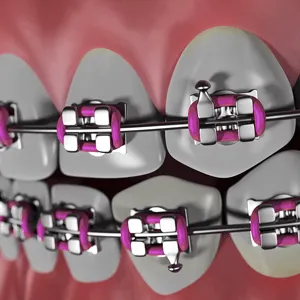
orthodontists are specialists in the dentistry field who mainly focus on correcting misaligned teeth or crossbites. Orthodontic treatment in kids/teens is commonly known as Phase 1 or Interceptive Orthodontics. According to the recommendations of the American Association of Orthodontists, parents should take their kids to an orthodontist by the age of 7 years. These days, a lot of orthodontic treatment options are available, such as retainers, aligners, different types of braces, Invisalign, etc.
Functional Appliances for Children:
Different types of functional appliances are available for use in many ways, and all of them work in the same manner with slight pressure variation over the teeth. Functional appliances can be classified into fixed and removable plastic appliances.
Fixed Appliances for Kids:
Fixed appliances should be handled by an orthodontic specialist, as these appliances involve bonding to the teeth and metal braces, whereas removable appliances may not require an orthodontist, as they are not bonded to the teeth. Twin Block appliances are used widely, as they are very effective and easy to use. Special types of fixed appliances are also used to control thumb sucking or tongue thrusting.
Removable Appliances in Young Children:
Removable appliances are generally clear aligners, retainers, and Invisalign, which can be worn for 20-22 hours per day and can be removed easily as and when needed. Invisalign is one of the most esthetic and accepted treatments. The Invisalign option provides confidence in kids regarding their appearance. Retainers play an important role in holding the teeth in position and are placed at the time of treatment. Removable appliances can also be used for aftercare orthodontic treatment.
Benefits of Early Orthodontic Treatment in Children:
Orthodontic treatment is one of the most important and effective healthcare decisions. Parents should take their kids to an orthodontist when the child reaches the age of 7 or 8. Placing braces or aligners during childhood can shape the teeth and jaw more easily and also bring a beautiful and healthy smile in adulthood. Meet with your nearest orthodontist to identify and prevent any oral habits like thumb sucking or tongue thrusting. Early orthodontic treatment can minimize the need for future treatments like major oral surgery.
Diagnosis and treatment planning are key to successful orthodontic treatment. Relapse is the loss of correction achieved by orthodontic treatment. Relapse can happen if retention is not maintained, which is an important concern in orthodontic treatment. Therefore, a proper treatment plan is a deciding factor in the success of treatment. Proper case study, pretreatment cast preparation, and 3D image views give a broader perspective on the success of treatment. This also helps in better patient education. Modern technology has lessened the gap between doctor and patient, which helps the patient understand the procedures that are being carried out. Newer advances have brought better developments in the field of dentistry, including orthodontics.